Video evidence has become one of the most influential forms of proof in personal injury cases. From surveillance cameras to dashcams and bystander recordings, video can provide a clear account of what happened before, during, and after an accident. When handled properly, video evidence can strengthen a claim and clarify liability. When misunderstood or taken out of context, it can undermine credibility and damage a case. Understanding how video evidence is used is essential when pursuing or defending an injury claim.
Why Is Video Evidence So Important in Injury Cases?
Video evidence offers a real-time depiction of events that words alone often cannot capture. Unlike witness statements, which can be affected by stress or faulty memory, video provides an objective view of how an incident occurred. Footage can show whether a driver was speeding, whether a hazard existed on a property, or whether warning signs were present.
Insurance companies and juries often give significant weight to video evidence because it reduces uncertainty. When footage clearly shows negligent behavior, it can shorten disputes over fault and move a case toward resolution more efficiently.
What Types of Video Footage Are Commonly Used?
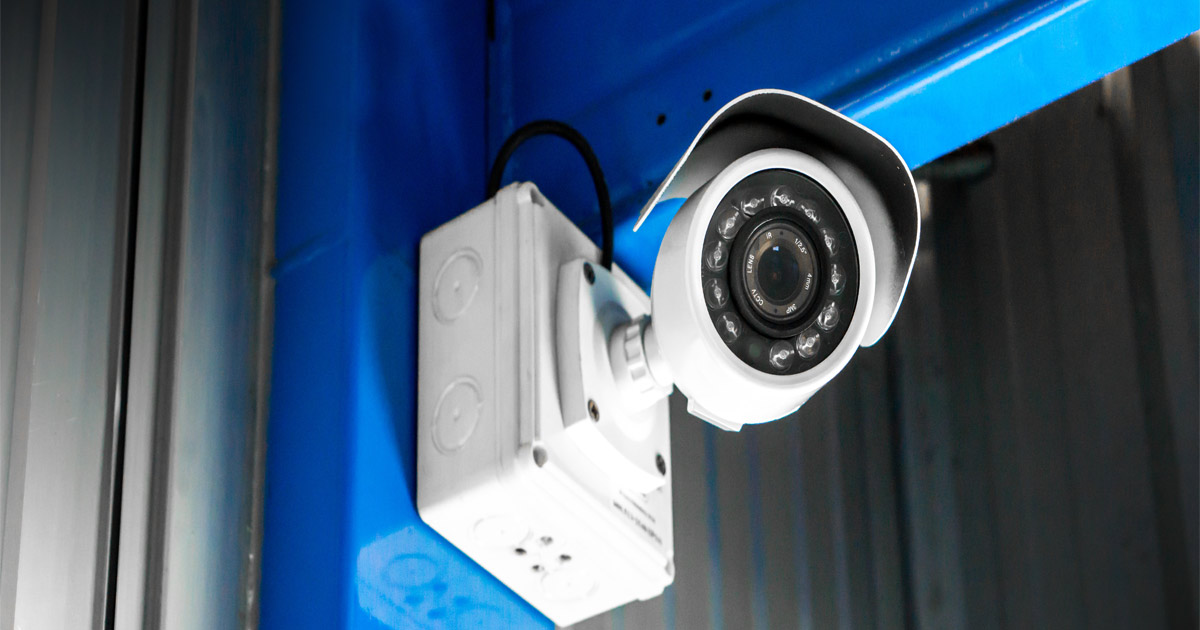
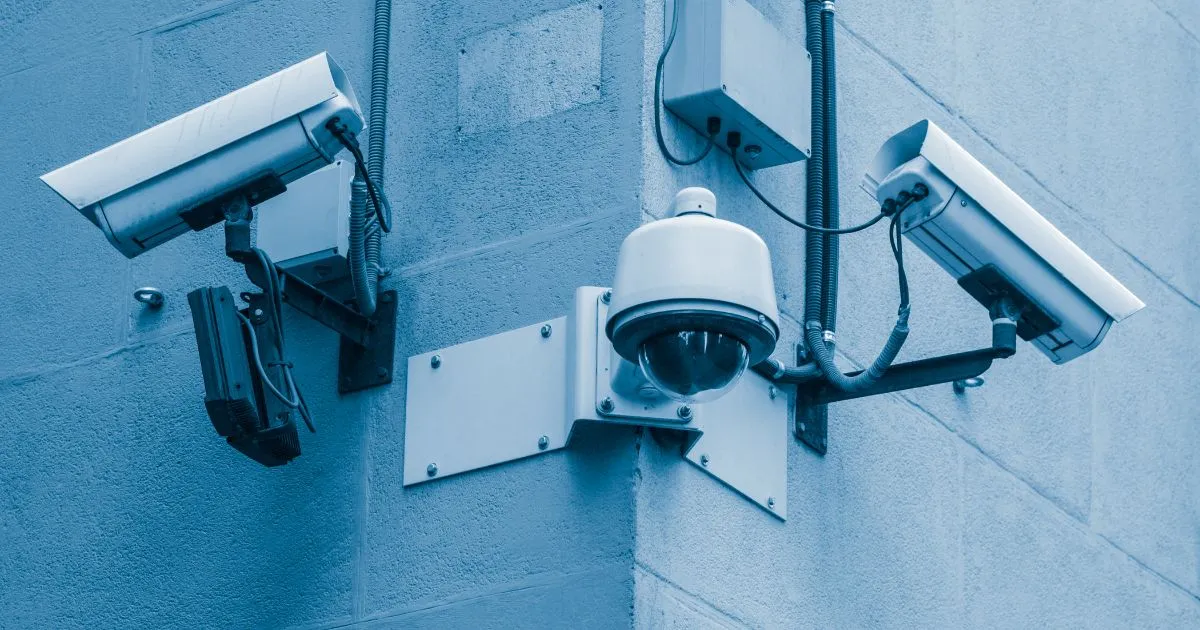
Many injury cases rely on surveillance footage from businesses, apartment buildings, parking garages, and public spaces. Dashcam video frequently plays a role in car accident claims, capturing traffic conditions and driver actions moments before impact. Traffic cameras, doorbell cameras, and recordings from nearby homes can also provide valuable perspectives.
Videos recorded on phones by witnesses or first responders may capture hazardous conditions or injuries shortly after an incident. Even short clips can be meaningful when they document key details that support or contradict claims.
How Can Video Evidence Help Establish Fault?
Establishing fault is often the most contested part of an injury case. Video evidence can show precisely what actions led to an accident. Footage may reveal a driver failing to stop at a red light or a property owner neglecting a known hazard.
When video clearly supports one side’s version of events, it strengthens negotiations and may discourage insurers from disputing liability. In some cases, video eliminates the need for lengthy explanations because the sequence of events is visible.
Can Video Evidence Hurt an Injury Claim?
Video does not always favor the injured party. Footage showing risky behavior before an accident may be used to argue shared fault. Insurers may also rely on post-incident surveillance to challenge injury severity or credibility.
Incomplete or low-quality footage can introduce confusion. Without proper context, the video may raise questions rather than resolve them, which is why careful analysis and presentation matter.
How Should Video Evidence Be Preserved?
Preservation is critical. Many surveillance systems automatically delete footage within days, and dashcams often record over older data. Once footage is lost, recovery is unlikely.
Acting quickly helps protect evidence. Prompt preservation requests to businesses, property owners, or agencies can prevent deletion and allow investigators to secure copies from multiple sources.
How Does Video Evidence Affect Settlements and Trials?
Video evidence often influences settlement discussions. Clear footage demonstrating fault may encourage earlier and more meaningful negotiations. At trial, video helps jurors understand complex events by showing exactly what happened, often making a stronger impact than testimony alone.
Why Professional Investigation Matters: San Diego Private Investigators at USA Express, Inc.
Our San Diego private investigators at USA Express, Inc. help uncover critical video evidence, protect it from loss, and assess how it affects liability and damages. With the right investigative approach, video evidence can provide clarity and support fair outcomes when injuries disrupt lives. Call 877-872-3977 or fill out our online form for a free consultation. With offices located in Los Angeles, San Francisco, and San Diego, we proudly serve clients nationwide.