Key Takeaways:
- Evidence can disappear within hours through cleanup, repairs, routine deletion, or changing conditions.
- Preservation efforts should begin as soon as litigation is reasonably anticipated.
- A targeted “spoliation letter” can place potential custodians on notice to retain relevant material.
- Prompt investigation can protect physical, digital, and testimonial evidence before it becomes unreliable or unavailable.
Our highly skilled personal injury investigators at USA Express help legal teams act quickly after an incident. Early evidence preservation can separate a claim supported by objective proof from one dependent on conflicting memories. Deadlines and remedies vary, but waiting creates avoidable gaps.
What Is Spoliation of Evidence?
“Spoliation of evidence” generally means destroying, altering, concealing, or failing to preserve material relevant to foreseeable litigation. It may involve a vehicle, surveillance footage, records, or debris. Courts may examine the preservation duty, reasonable steps, prejudice, and intent.
Consequences are case-specific. A court may permit additional discovery, exclude evidence, award expenses, give an adverse-inference instruction, or impose more serious sanctions. Not every missing item establishes spoliation; counsel must assess the facts and rules.
What Evidence Disappears First After an Accident?
“Temporary” evidence is vulnerable. Businesses may overwrite security video. Vehicles may be repaired, salvaged, or sold, while event data and telematics can be lost. Rain, traffic, cleanup, and repairs may erase tire marks, debris patterns, defects, and sightline conditions.
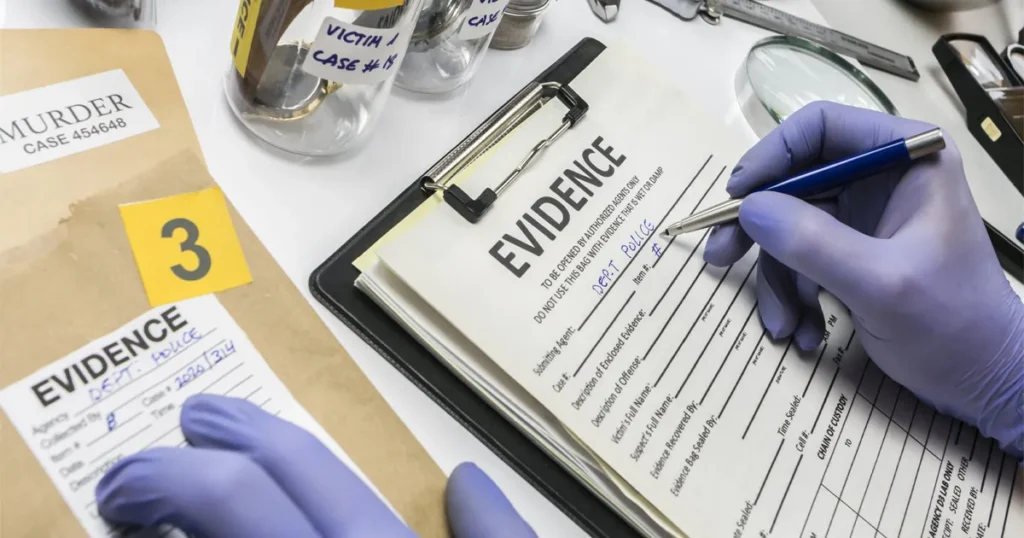
Witnesses leave, change contact information, or forget details. Preserving accident evidence may include photographing the area, taking measurements, locating cameras and witnesses, documenting vehicles, and requesting digital records. Investigators should collect material lawfully and document its source and chain of custody.
How Soon Should an Investigator Be on the Scene?
An investigator should ideally respond within hours or days, depending on access, safety, and the likelihood of change. No universal deadline applies. An intersection may be cleaned quickly, while a defective stairway could be repaired without notice.
An early response can record lighting, weather, signage, visibility, property conditions, and cameras. If the scene changed, photographs, public records, witness interviews, vehicle inspections, and nearby surveillance may still help. The guiding principle is to begin before people or routine processes alter the evidence.
What Is a Spoliation Letter and When Should You Send One?
A “spoliation letter,” also called a preservation notice, identifies a dispute and requests retention of relevant evidence. Counsel may send it to a driver, business, property owner, employer, insurer, contractor, or data custodian when litigation is reasonably foreseeable.
The notice should describe the incident, evidence categories, dates, custodians, and systems subject to routine deletion. It may cover video, inspection logs, maintenance records, vehicle data, GPS records, communications, and physical items. A letter is not a court order or guarantee of access. Counsel may need subpoenas, inspections, agreements, or emergency relief.
How Does Early Preservation Strengthen a PI Claim?
Early evidence preservation helps counsel evaluate liability, causation, damages, and defenses with contemporaneous proof. Measurements can support reconstruction, video may confirm timing, records can identify responsible parties, and prompt witness statements can reduce memory disputes.
Preservation promotes fairness because evidence may support or challenge a claimant’s account. A documented investigation shows an item’s source, handlers, and condition—details that may affect authenticity and admissibility.
Frequently Asked Questions (FAQs):
Can a claimant commit spoliation?
Yes. Claimants may have to preserve relevant vehicles, devices, photographs, clothing, products, and communications. Counsel should give instructions before anything is repaired, discarded, or altered.
Does a preservation letter stop automatic deletion?
It should request suspension of routine deletion, but it is not self-enforcing. Follow-up and legal process may be necessary.
Can overwritten video or data be recovered?
Sometimes backups, Cloud accounts, or other custodians have copies. Recovery is fact-dependent, so deleted information should not be assumed recoverable.
Who decides what evidence must be preserved?
The legal team determines the scope. Investigators help identify sources, document conditions, locate witnesses, and secure authorized evidence.
Start the Preservation Clock With Our Highly Skilled Personal Injury Investigators at USA Express
When evidence is temporary, delay narrows a firm’s options. Our personal injury investigators at USA Express can document scenes, locate witnesses, identify evidence sources, and support counsel’s preservation strategy. To schedule a free consultation, call today at 877-872-3977 or submit our online contact form. With office locations in Los Angeles, San Francisco, and San Diego, California, we proudly serve clients nationwide.