
Key Takeaways:
- Social media can support or challenge personal injury claims.
- Public posts, tags, comments, and videos may become evidence.
- Investigators should preserve context, timestamps, and URLs.
- Ethical boundaries matter.
- Law firms should investigate early before content changes.
Our personal injury investigators at USA Express help law firms understand how social media investigations can affect liability, damages, credibility, and settlement strategy in personal injury cases. Posts, photos, videos, check-ins, comments, tags, and deleted activity may reveal useful information, but they must be reviewed carefully, ethically, and with proper documentation.
For plaintiff and defense firms, social media can confirm timelines, identify witnesses, reveal physical activity, show prior conditions, or contradict claims, including strengths, weaknesses, timing, credibility, and investigative steps. It can also be misleading. A smiling photo, vacation post, or short video rarely tells the full medical story.
Why Social Media Matters in Injury Cases
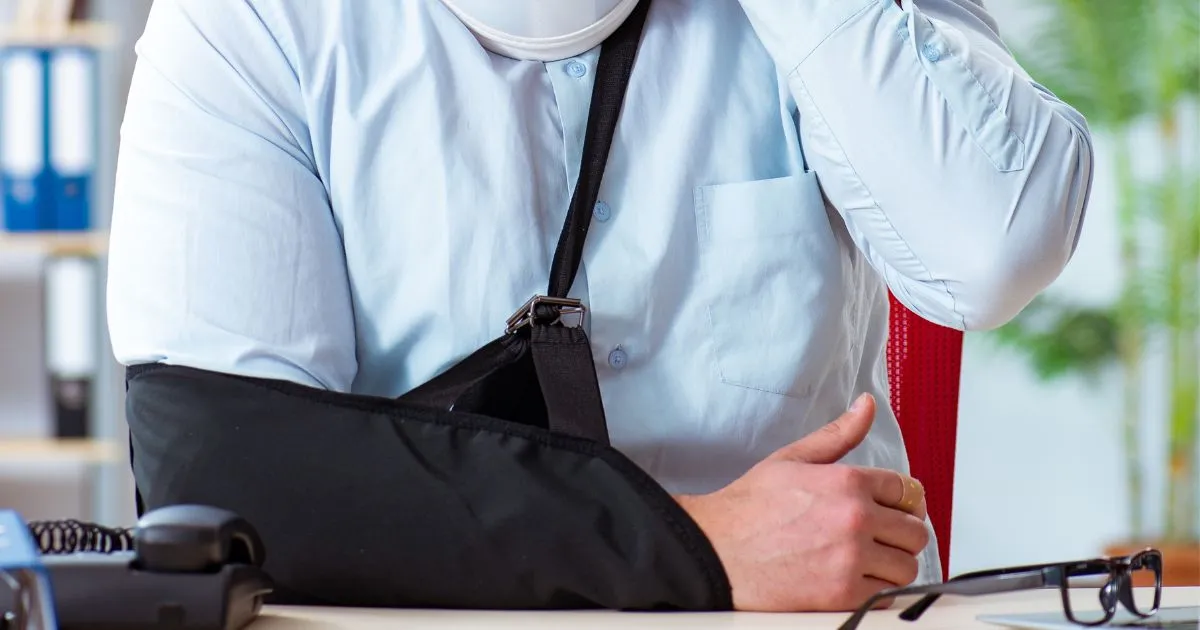
Personal injury claims often focus on how an accident affected daily life. Social media may show work activity, travel, hobbies, medical complaints, fitness posts, family events, or statements about the accident.
Useful content may include:
- Public photos
- Videos
- Check-ins
- Comments
- Tagged posts
- Marketplace listings
- Event pages
- Job updates
- Fitness activity
- Public profile changes
However, law firms should avoid assuming that one post disproves an injury. Pain levels fluctuate. People post old photos. Many injured people appear “fine” briefly.
Personal Injury Investigators at USA Express Know What to Look For
A focused investigation is not random scrolling. It is a structured review tied to the legal issues, not curiosity.
Investigators may look for:
- Accident-day posts
- Location activity
- Witness connections
- Prior injuries
- Public activity after the accident
- Statements about work
- Photos showing physical activity
- Inconsistent timelines
USA Express provides personal injury investigation services, including scene documentation, witness work, surveillance, and fact verification, which can support broader case preparation.
Preservation and Chain of Custody
Social media evidence should be preserved in a way that shows what was captured, when it was captured, where it came from, and who handled it. Screenshots alone may not be enough if they lack dates, URLs, metadata, or surrounding context.
A useful preservation process may include:
- Capturing the full post
- Saving profile information
- Recording URLs
- Preserving timestamps
- Noting captions and comments
- Maintaining original files
- Creating an investigation log
- Avoiding edits to source materials
Clear documentation helps lawyers evaluate whether the evidence is reliable and usable.
Ethical Limits Law Firms Should Respect
Social media investigations must follow legal and ethical rules. Investigators should not use deception, fake accounts, improper contact, hacking, or pressure to access private information. Public information may be reviewed, but private content requires lawful access.
Law firms should also warn clients that their own posts may be scrutinized. Deleting content after a claim begins can create problems. Instead, clients should avoid posting about injuries, activities, treatment, settlement, or the accident.
Frequently Asked Questions:
Can private posts be investigated?
Only through lawful and ethical means. Investigators should not trick people into granting access.
Should clients delete old posts?
No. Deleting content may raise preservation issues. Clients should ask their lawyer first.
When should a law firm start?
Early. Social media content can be edited, deleted, hidden, or lost.
Our Skilled Personal Injury Investigators at USA Express Help Law Firms See the Digital Trail
Social media can reveal important facts, but only when reviewed with discipline. Our personal injury investigators at USA Express help law firms identify public digital evidence, preserve context, and connect online activity to the larger investigation. For a free consultation, call today at 877-872-3977 or complete our online form. With offices located in Los Angeles, San Francisco, and San Diego, California, we proudly serve clients nationwide.